Learning Through Play: Activities Using Household Items
Parents and educators are constantly searching for engaging ways to teach children while keeping costs low. The good news? Your home is filled with learning tools. By repurposing everyday items, you can create enriching educational experiences learning through play.
The Kitchen: A Science Lab in Disguise
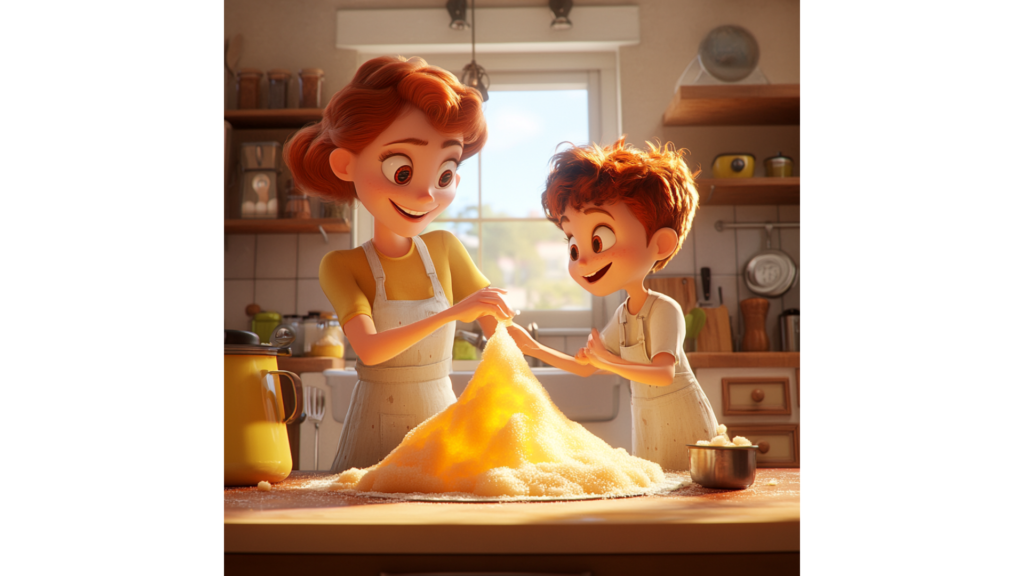
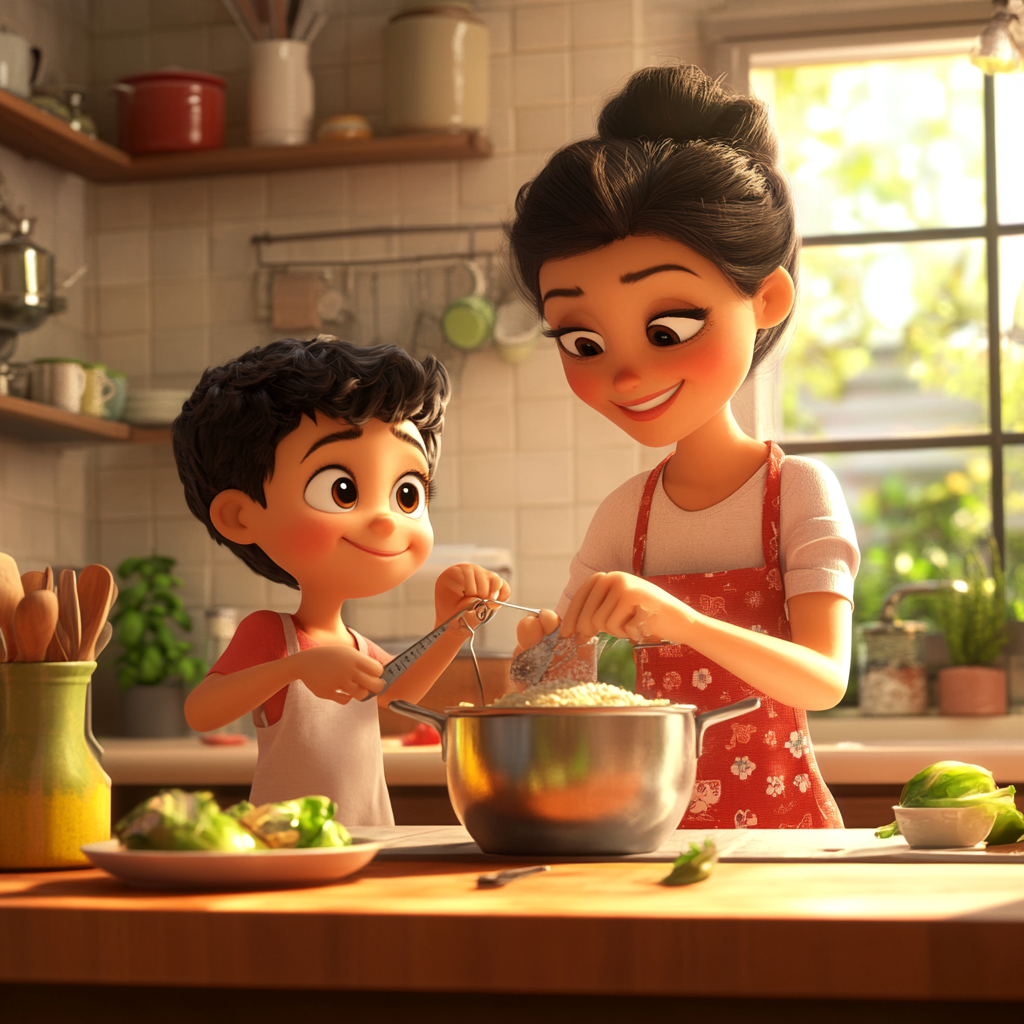
Your kitchen isn’t just for cooking—it’s a treasure trove of scientific discovery. Baking soda and vinegar reactions teach basic chemistry concepts while creating exciting “volcanoes.” Measuring cups and spoons introduce fractions and volume during cooking sessions. Even something as simple as floating and sinking experiments with different kitchen items can demonstrate density principles to young minds.
Laundry Learning Station
Sorting laundry becomes a lesson in categorization and pattern recognition. Different colored socks are used to teach matching skills to toddlers or are used for counting games. Empty detergent scoops make excellent measuring tools for sand and water play, introducing volume concepts in a practical context.
Cardboard Boxes: Engineering and Creativity Central

Before recycling those delivery boxes, consider their educational potential. Large boxes can become anything from a space shuttle to a puppet theater, encouraging imaginative play while developing spatial awareness. Cut windows and doors to practice basic geometry, or challenge older children to design and build structures that can support weight—introducing engineering concepts through hands-on experimentation.
Grab your free
Chore Chart printable
Turn everyday jobs into a star-earning game the kids actually want to do. Pop your email in and it lands straight in your inbox, plus weekly home-organisation tips for busy moms.
No spam, ever. Unsubscribe anytime.
Building Literacy with Junk Mail
Turn unwanted mail into literacy tools. Magazine cutouts can create story collages or word banks. Empty envelopes become message centers for pretend play, encouraging writing skills. Product labels offer real-world reading practice and for letter recognition games.
Mathematical Manipulatives from the Pantry
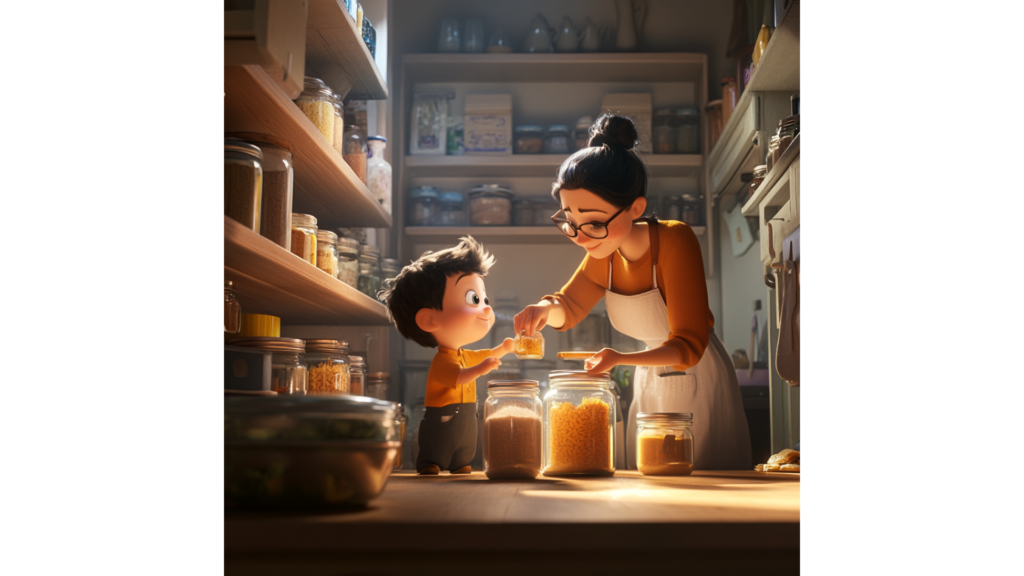
Dried beans, pasta, or cereal pieces make perfect counting tools. Create patterns with these items to develop sequential thinking, or use them for basic addition and subtraction. Empty containers can be labeled with numbers to create sorting stations, helping children understand numerical order and grouping.
The Living Room Orchestra
Transform household items into musical instruments to explore sound and rhythm. Empty containers become drums, rice-filled bottles make shakers, and rubber bands stretched over boxes create simple string instruments. This not only teaches music concepts but also helps develop fine motor skills and creativity.
Environmental Science with Window Views

Your window can become an observation station for learning about weather, seasons, and wildlife. Keep a simple weather journal, track shadow movements throughout the day, or observe bird behavior. These activities introduce scientific observation skills and natural world concepts.
Tips for Successful Learning Through Play
- Follow the child’s lead: Let their natural curiosity guide the learning through play experience.
- Ask open-ended questions: Encourage critical thinking rather than providing immediate answers.
- Maintain safety: Always supervise activities and ensure materials are age-appropriate.
- Document the learning: Take photos or keep a journal of activities to track progress and remember successful ideas.
- Be flexible: The same materials can be used differently as children’s interests and abilities evolve.
Creating Educational Experiences
Creating educational experiences doesn’t require expensive materials or specialized equipment. By viewing household items through a lens of possibility, we can transform everyday objects into powerful learning tools. This approach not only makes education more accessible but also teaches children to think creatively and see potential in the ordinary—a valuable life skill that extends far beyond childhood.
Remember, the most meaningful learning often happens through play and exploration. By incorporating these simple activities into daily routines, you’re not just teaching academic concepts—you’re nurturing curiosity, problem-solving skills, and a lifelong love of learning.
More from Digital Moms Life: