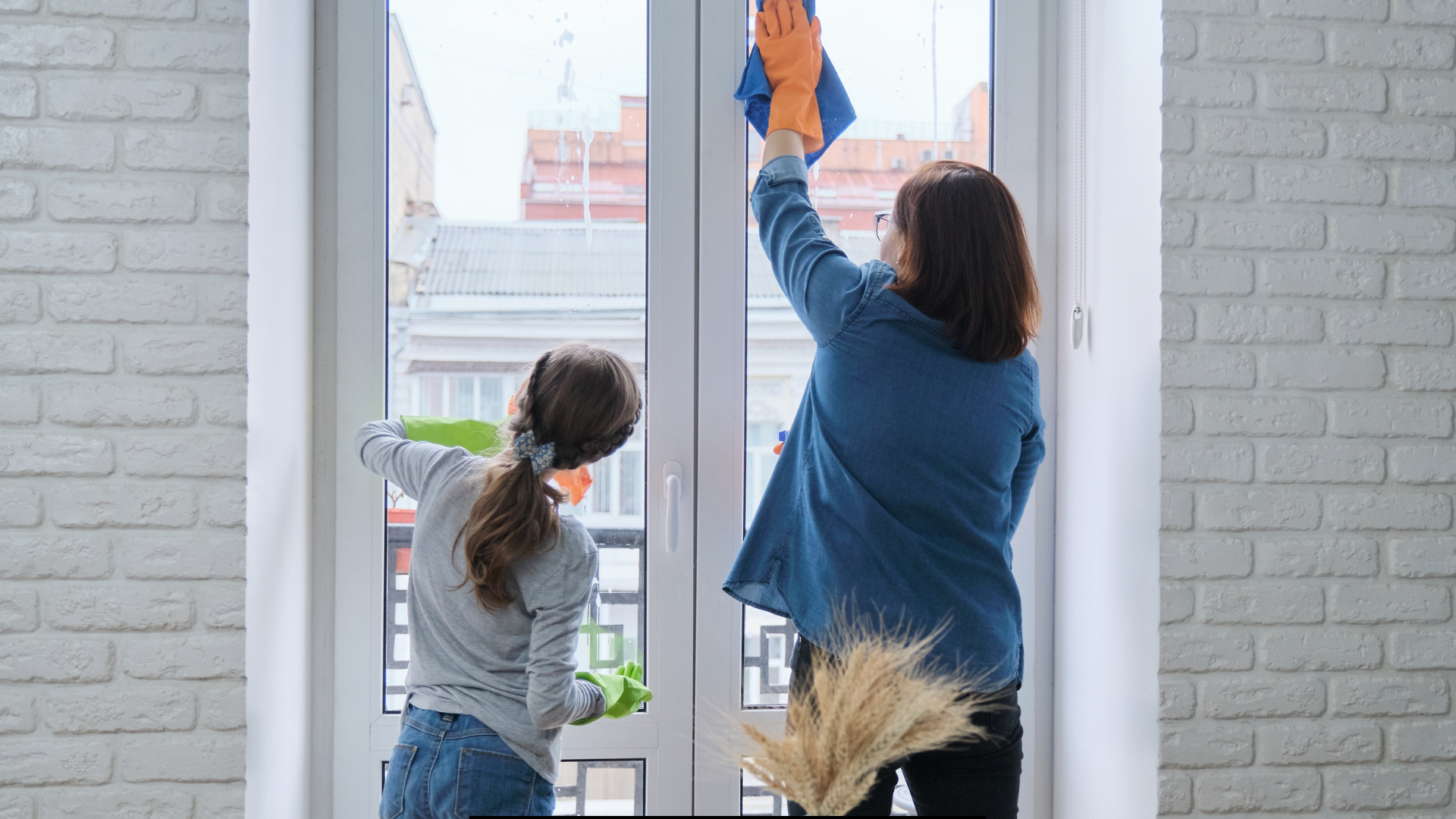
How to Involve Your Kids in Household Chores: Making It Fun
Getting kids involved in household chores can feel like a daunting task. The mere mention of chores might evoke groans and resistance. However, teaching children to contribute to household responsibilities is not only beneficial for maintaining a clean and organized home but also essential for their development. It fosters responsibility, teamwork, and independence. The key is to make it enjoyable and age-appropriate. Here’s how you can involve your kids in household chores without the struggle.
Start Early and Keep It Fun
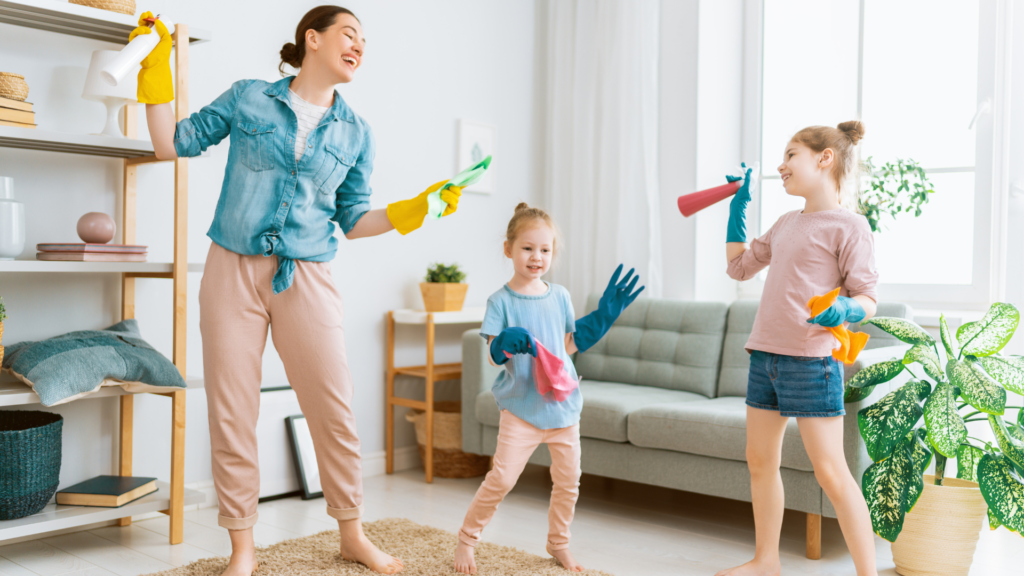
The earlier you introduce your kids to chores, the more natural it will feel to them. Toddlers love to imitate adults, so let them “help” with simple tasks. For example, they can wipe down surfaces with a cloth or help put toys away. At this age, the goal is more about building a routine than getting the chores done perfectly.
To keep things fun, turn chores into games. Set a timer and challenge your kids to beat the clock, or play their favorite songs and turn cleaning into a dance party. When chores are associated with fun, kids are more likely to participate willingly.
Create a Chore Chart
Visual aids can be very motivating for children. Create a colorful chore chart that outlines each family member’s responsibilities. For younger kids, use pictures instead of words to represent each task. Let them check off completed chores with stickers or markers. This gives kids a sense of accomplishment and helps them track their progress.
Grab your free
Chore Chart printable
Turn everyday jobs into a star-earning game the kids actually want to do. Pop your email in and it lands straight in your inbox, plus weekly home-organisation tips for busy moms.
No spam, ever. Unsubscribe anytime.
You can also introduce a reward system where completing a certain number of chores earns them a small reward, such as extra playtime, a family movie night, or a special treat. The rewards don’t have to be extravagant—often, the pride of checking off a chore is reward enough.
Assign Age-Appropriate Tasks
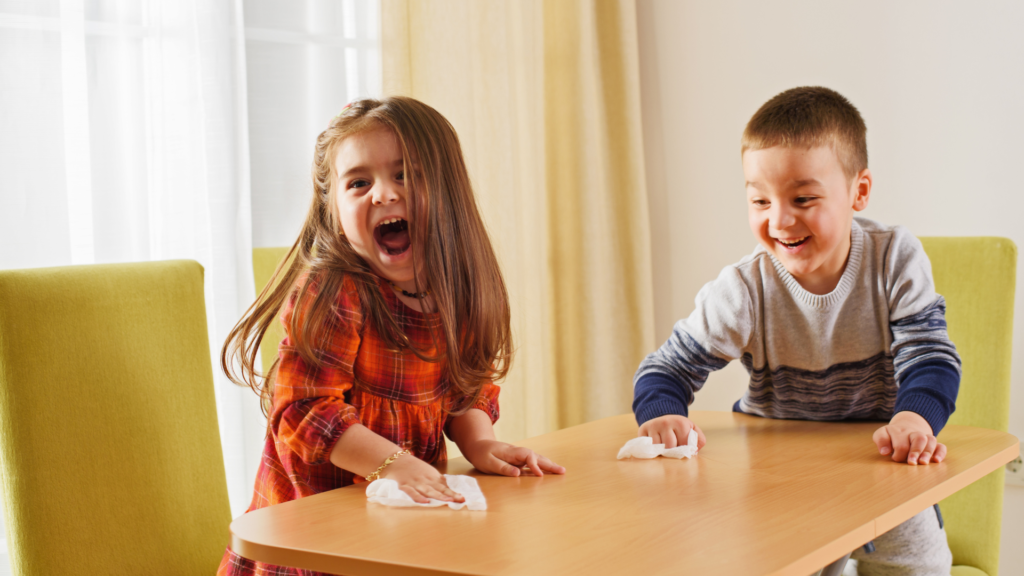
Not all chores are suitable for all ages. To ensure your kids don’t feel overwhelmed or frustrated, assign tasks that match their abilities. Here’s a general guide:
- Toddlers (2-3 years old): Putting toys away, wiping up spills, helping to feed pets.
- Preschoolers (4-5 years old): Making their bed, setting the table, watering plants.
- Elementary age (6-9 years old): Taking out the trash, folding laundry, helping with meal preparation.
- Tweens and Teens (10+ years old): Washing dishes, vacuuming, mowing the lawn, cooking simple meals.
As your children grow, gradually introduce more complex chores to help them build confidence and competence.
Teach Through Example
Children learn a lot by watching their parents. If they see you approaching chores with a positive attitude, they are more likely to mirror that behavior. Explain why chores are important and how they contribute to the household’s overall well-being. This understanding can motivate them to participate willingly rather than feeling like they are being forced.
You can also involve your kids in household decisions related to chores. For example, ask for their input on when they’d like to do their tasks or which chores they prefer. Giving them a voice in the process makes them feel valued and more committed.
Turn Chores into Learning Opportunities

Chores are not just about maintaining the household; they’re also excellent opportunities for learning. For example, cooking can teach kids about measurements, fractions, and following instructions. Gardening can be a lesson in biology and the environment. Even organizing toys or books can help with categorization and decision-making skills.
Discuss what they’re learning while they’re doing the chores. You might be surprised at how much they absorb when you turn these tasks into educational moments.
Celebrate Their Efforts
Always acknowledge and appreciate your child’s effort, even if the chore isn’t done perfectly. Positive reinforcement goes a long way in building their confidence and encouraging them to keep participating. Celebrate their contributions with praise, a high-five, or even a small family celebration if they’ve consistently done their chores well.
Remember, the goal is to teach them responsibility, not perfection. As they get older and more experienced, their skills will improve.
Be Patient and Consistent
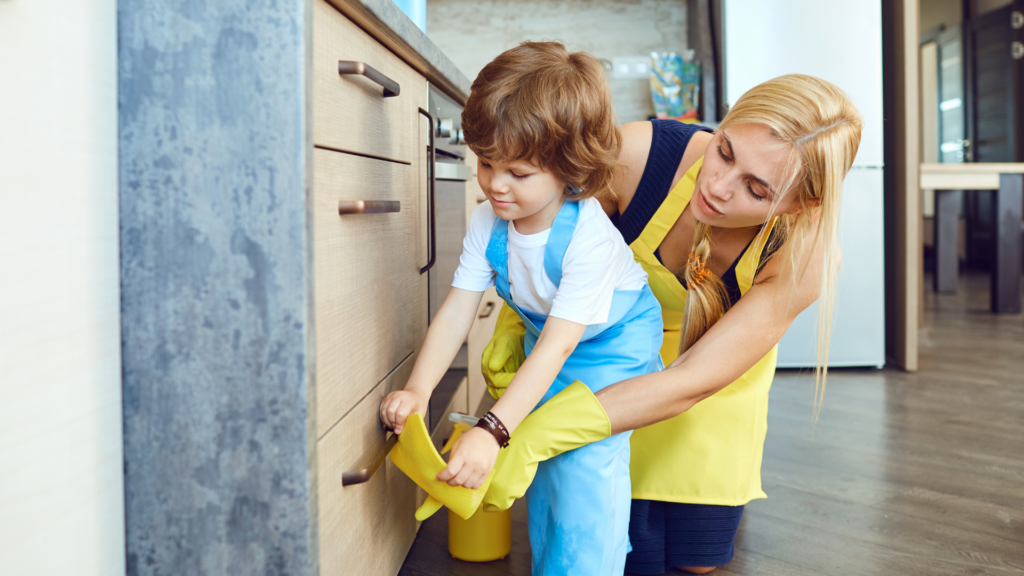
Incorporating kids into household chores is a process that requires patience and consistency. There will be times when they resist or don’t do the task as well as you’d like. That’s okay. The key is to keep encouraging them and maintain a consistent routine.
Over time, they will come to see chores as a normal part of their day, just like school or playtime. And by making chores a regular part of their lives, you’re helping them develop a strong work ethic that will benefit them for years to come.
Conclusion
Involving your kids in household chores is a win-win for everyone. It lightens your load, teaches them valuable life skills, and can even be a fun way to bond as a family. By starting early, keeping it fun, and being patient, you’ll turn household chores from a dreaded task into a positive and productive experience for your children. So grab that broom, turn up the music, and start making chores something the whole family can enjoy!
More from a Digital Mom’s Life: